Fly fishing and other cool things

Category: EDCI 336 (Page 1 of 2)

This is a category for the EdTech course. Please add this category in addition to the relevant edtech assignment category(ies).

Free Inquiry Post #8: Inquiry Reflection

I found this inquiry assignment to be really cool and fun. I learned how to do some really cool stuff and learned about my learning process. I learned so much about the basics of fly fishing, and how to properly set up a fly fishing rod.
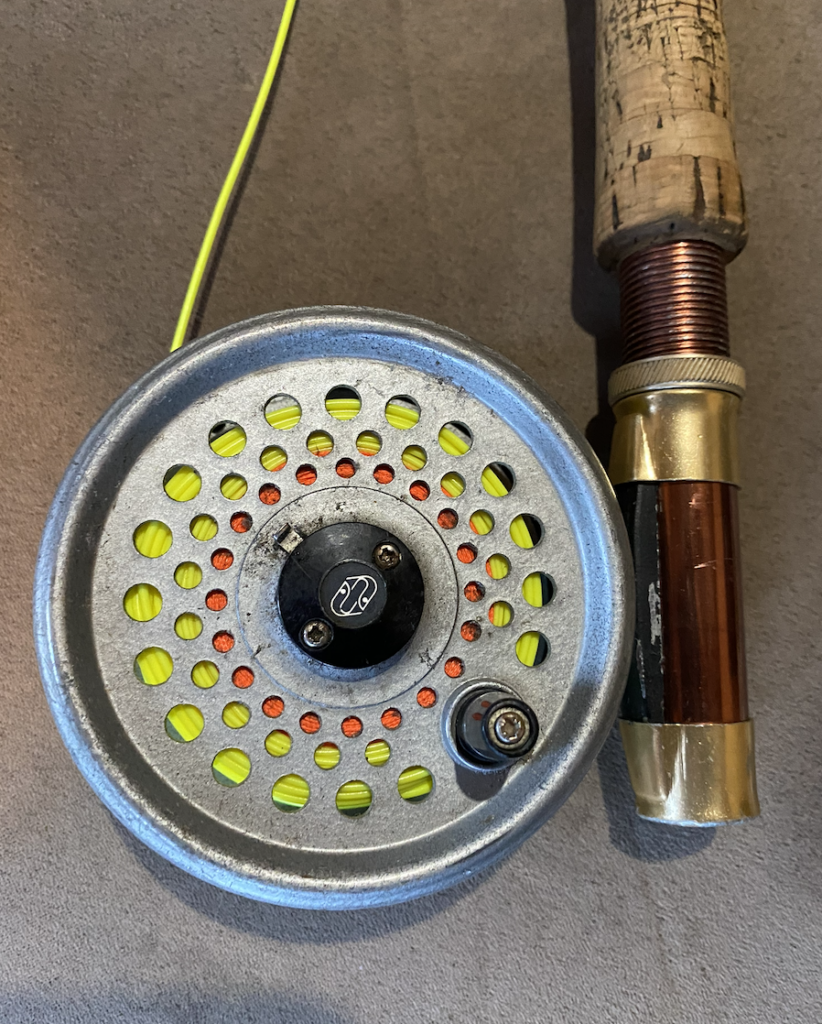
My fully lined fly reel

I think the hardest part of this inquiry was the knot tying. I found learning the different types of knots to be super difficult. It took me so long to learn to tie the Albright knot, and even longer to tie a nail knot. The fact I was trying to tie the wrong end of the leader to the floating line didn’t help. I had never attached a leader before and didn’t know one end was thinner than the other. I was able to work through these difficulties by watching YouTube videos and replaying them in slow motion so I can easily follow the knot patterns. While I did succeed in my knot tying there were a few points where I almost gave up, but I didn’t. I remained patient through the difficulties. Here are the videos I found helpful: https://www.youtube.com/watch?v=_qHmLKNcdm8, https://news.orvis.com/fly-fishing/video-how-to-attach-fly-line-to-the-backing-on-a-reel, https://www.youtube.com/shorts/v98DC3cSgWw

I wasn’t able to go fishing anywhere near as much as I had initially hoped when I began this inquiry. This was mainly due to school assignments and homework but I really wish I was able to get out more. However I am really happy that I know the basics of the sport and am ready for next fall’s salmon run.
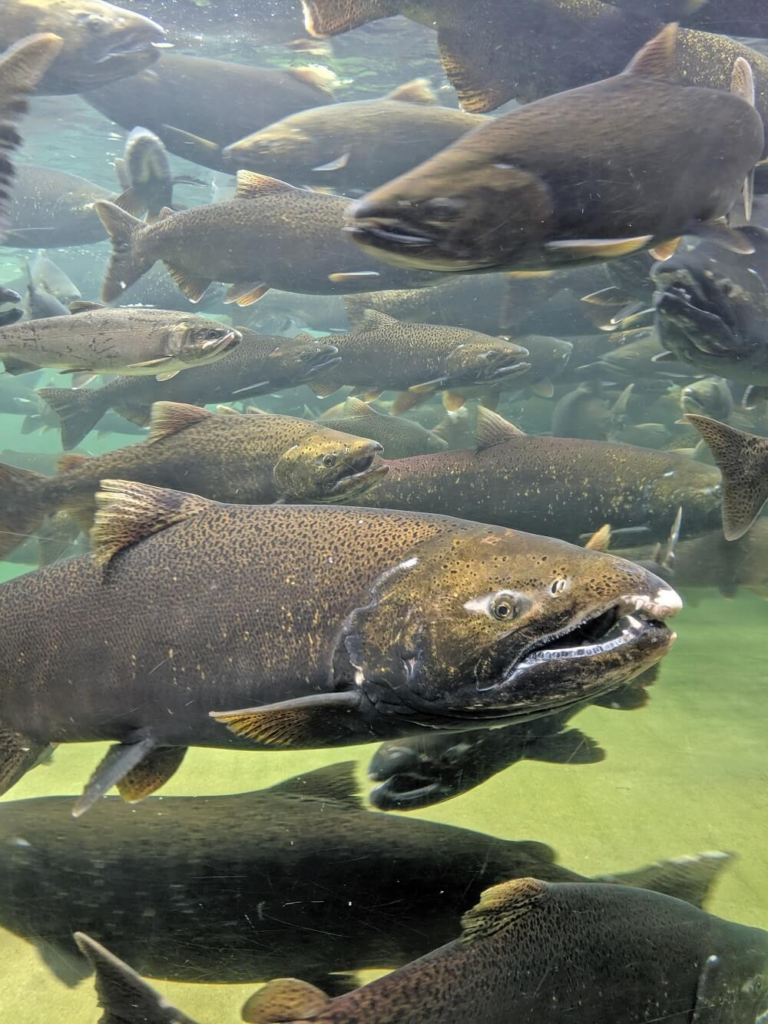
Salmon in the Puntledge River courtesy of offtracktravel

Image Source: https://offtracktravel.ca/where-to-see-salmon-run-british-columbia/

For my last inquiry blog I switched from fly fishing to the Roman Empire. I did this because, I have to teach a unit on the Roman Empire, and my knowledge on this subject is almost none (The Gladiator movies). I found this site to be extremely useful and informative: https://www.britannica.com/place/Roman-Empire

Before this assignment I had never made a blog or even created a website. I found learning this process to be slightly frustrating at times but very useful. I remember when I was first designing my blog/webpage I couldn’t figure out how to change the colours or the background photo’s. Once I figured this out I found it really fun and satisfying to edit the pages looks and layout. This is a skill I could definitely see being useful in the classroom.

Free Inquiry Blog Post #7: The Roman Empire

For my upcoming practicum I have been told I am teaching a unit on the Roman Empire. I was super enthusiastic about this, and then I realized I knew absolutely nothing about the Roman Empire. So Ive decided for my last inquiry blog I would look into the Roman Empire and prepare myself. My first few questions are; how long did the Roman Empire last, who led the Roman Empire, and how powerful was the Roman Empire.

I started by doing some online research on the Roman Empire. I started by simply searching up “introduction to the Roman Empire”. The first site that came up was “Britannica” (https://www.britannica.com/place/Roman-Empire). From this website I learned that the Roman Empire was centred around the city of Rome, and was created in 27 BCE (Before Christ Era), after the fall of the Roman Republic. In 395 AD it separated into western and eastern empires, the Western Empire ended in 475, and the Eastern Empire lasted until 1453 as it morphed into the Byzantine Empire.

Image source: https://www.freepik.com/free-ai-image/view-ancient-roman-empire-colosseum_76739370.htm#fromView=search&page=1&position=2&uuid=be2bb532-d6ab-4b2c-821f-d03271a69188&query=Roman+empire

I also found out that the first Roman Emperor was Augustus, he was in power from 27 BC to 14 CE (Christ Era). He came into power after the assassination of his uncle Julius Caesar and his victory at Actium. Augustus was the first but there were so so so many other leaders, too many to list. here is a link to all of the leaders; https://www.britannica.com/place/Roman-Republic. I wanted to go a bit more in depth on this topic so I searched up “who were the most impactful roman emperors” and this history website came up (https://www.history.com/articles/timeline-emperors-roman-republic). It provides a list of 11 Roman Emperors who molded the ancient world. The first two spots were held by Julius Caesar, and Augustus. The third spot was taken by a man named Tiberius who apparently did a great job at acquiring land for Rome. his Military conquests were held in very high regard however, He was not interested in being an emperor or politician. He was solely about violence and conquering land. Under his rule Romes territory went into present day Croatia and Germany. While looking through the list I recognized one of the names “Marcus Aurelius” from the first gladiator movie. I didn’t know that he was a real historical figure. Marcus Aurelius is widely viewed as the emperor philosopher. He wrote pieces that are considered to be philosophical canon. He claimed that being a clear and unbiased thinker was the key to universal reason.

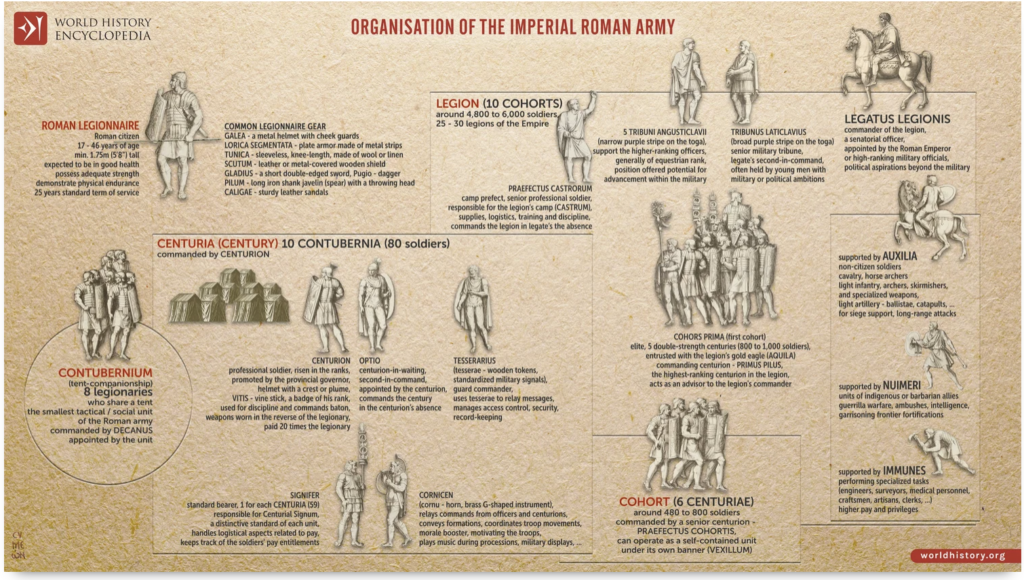
The Roman Empire was extremely powerful and had the most impressive army of the ancient civilizations (https://www.worldhistory.org/Roman_Army/). The military was extremely disciplined, organized, and innovative. They fought with ferociousness and strategy. They had weapons that others didn’t have access to which provided a large advantage. This army was able to take over and conquer a crazy amount of land.

Image Source: https://www.worldhistory.org/Roman_Army/ by Simeon Netchev

Next, I will look into the fall of the Roman Empire and what caused it.

Free Inquiry Blog Post #6: Porier Lake

Free Inquiry Blog Post #5: Kemp Lake

Weekly Reflection #8 Universal Design for Learning

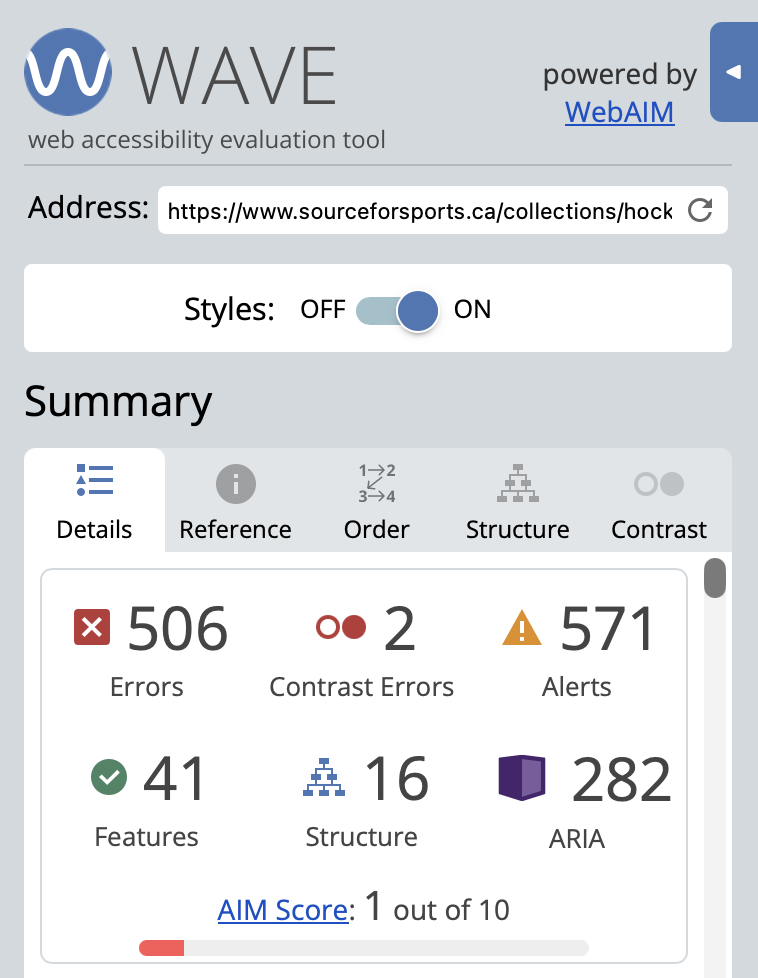
This week we looked at online accessibility and inclusive technology in classrooms. We used the site “WAVE” (https://wave.webaim.org) to analyze websites and their accessibility. I honestly didn’t even know tools like this existed and found it fun and interesting to test different websites. I tested a few different websites as well as my blog. The first site I tested was Kirbys Source for Sports, specifically their hockey gear section (https://www.sourceforsports.ca/collections/hockey-equipment). Their site had an AIM score of 1/10, which is the lowest I found.

This is a screenshot from https://wave.webaim.org analyzing the accessibility of https://www.sourceforsports.ca/collections/hockey-equipment
Screenshot from: https://wave.webaim.org/

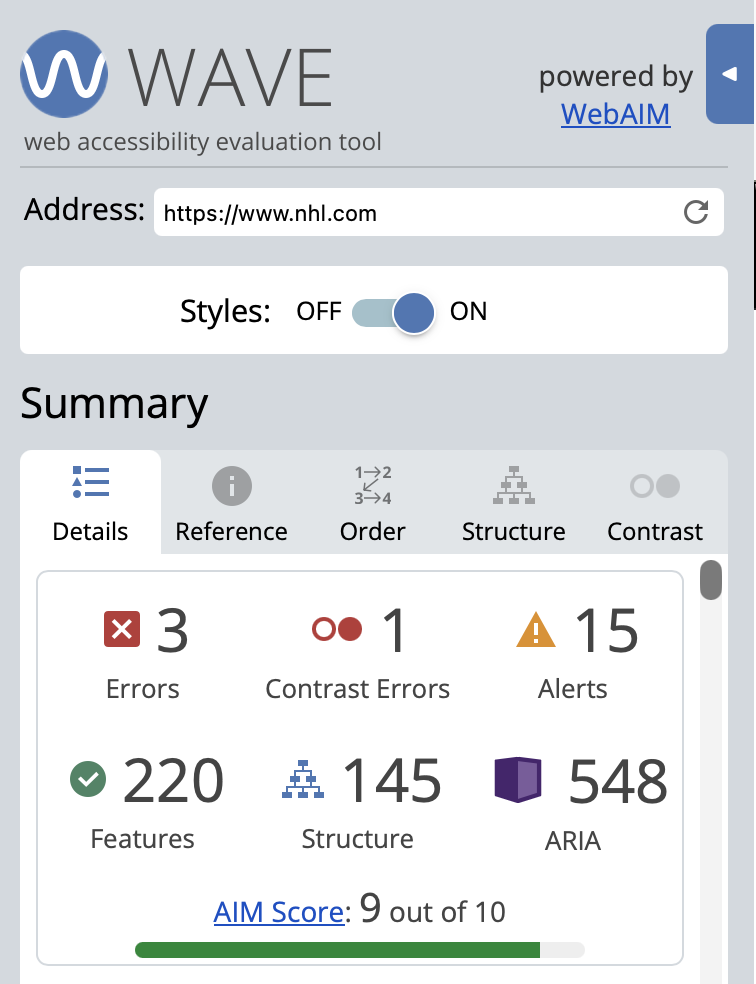
I didn’t find this very surprising as this website has always been an absolute pain to navigate and use. The next site I tested was the NHL website (https://www.nhl.com). This website had an AIM score of 9/10.

This is a screenshot from https://wave.webaim.org analyzing the accessibility of https://www.nhl.com
Screenshot from: https://wave.webaim.org/
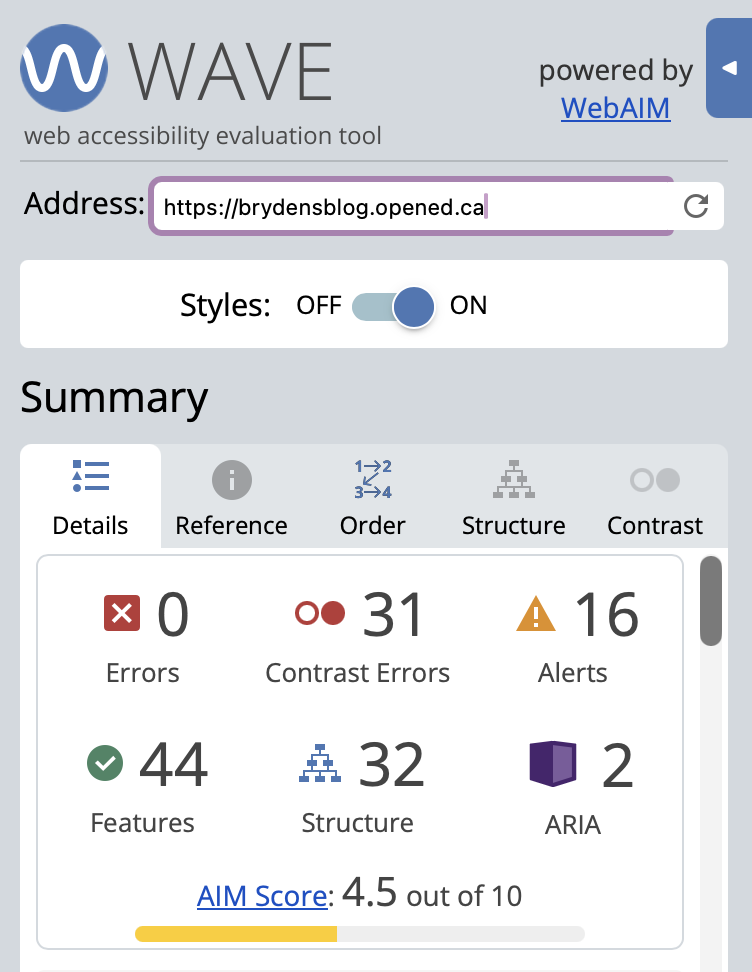
This is a screenshot from https://wave.webaim.org analyzing the accessibility of https://brydensblog.opened.ca
Screenshot from: https://wave.webaim.org/

Weekly Reflection #7: Gamification

Gamification can be a great way to engage students in learning, but it’s important it is implemented correctly and intentionally designed. I asked chat gpt to answer the following prompts:

  1. What design features make a game more effective in promoting learning?
  2. How are the benefits of game-based learning impacted by assessment?
  3. Does game-based learning improve academic outcomes, or does it only boost engagement? 
  4. Do people learn academic content better from playing a game than from conventional instruction?
  5. Do people learn useful cognitive skills from playing a commercial off-the-shelf game?
  1. After reading Chat GPT’s response I know there are many necessary design features for effective gamification. The first is Integration of learning objectives in the game mechanics, students should have to use their knowledge to advance in the game. The second is immediate and meaningful feedback. The difficulty should also be adaptable to different skill levels. A few other design features are scaffolding, engagement, and opportunities for exploration, experimentation, and problem solving.
  2. Assessment definitely impacts the effectiveness of game based learning. In order for assessment to be effective it must assess the appropriate skills. Some games have built in assessment trackers that continuously monitor progress and provide feedback. If the assessment emphasizes grades too much it can heavily impact motivation/engagement.
  3. Game based learning can definitely improve both engagement and academic outcomes. An increase in engagement is much more common. Academic improvements depend on the design of the game. poorly designed education games may only increase engagement and not understanding.
  4. There are benefits to both, one does not necessarily outperform the other. AI says games may be useful for problem solving/applied learning, practice/reinforcement, and complex systems, while Traditional forms of teaching work well for explanation of new concepts. The most effective way to use games in education is alongside traditional education.
  5. Normal video games can definitely develop certain cognitive skills. These include spatial reasoning, processing, strategic thinking, problem solving, and multitasking, but it is important to consider that the transfer of these skills to real life is not instant, and may not transfer over.

OpenAI. (2026, March 12). Game Based Learning Effectiveness [Large language model]. ChatGPT. https://chatgpt.com/c/69b04399-b8e8-8327-932b-0765e95d59d7

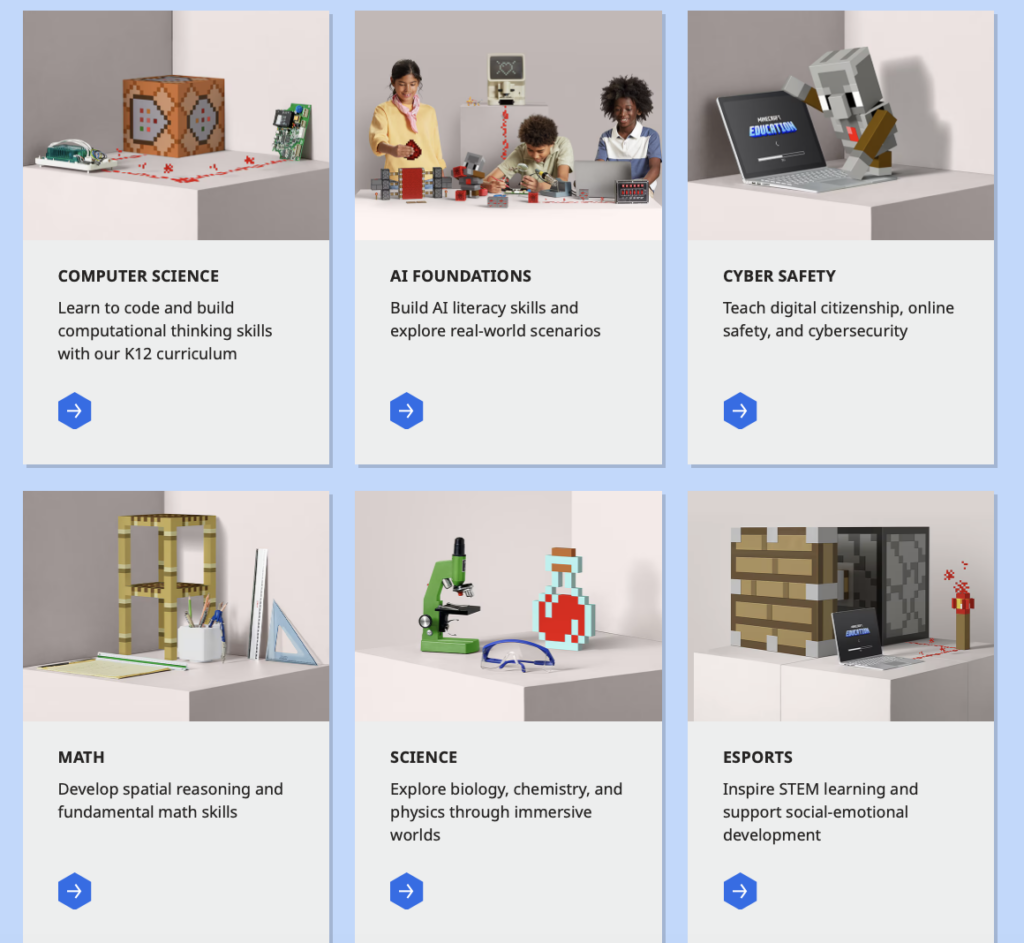
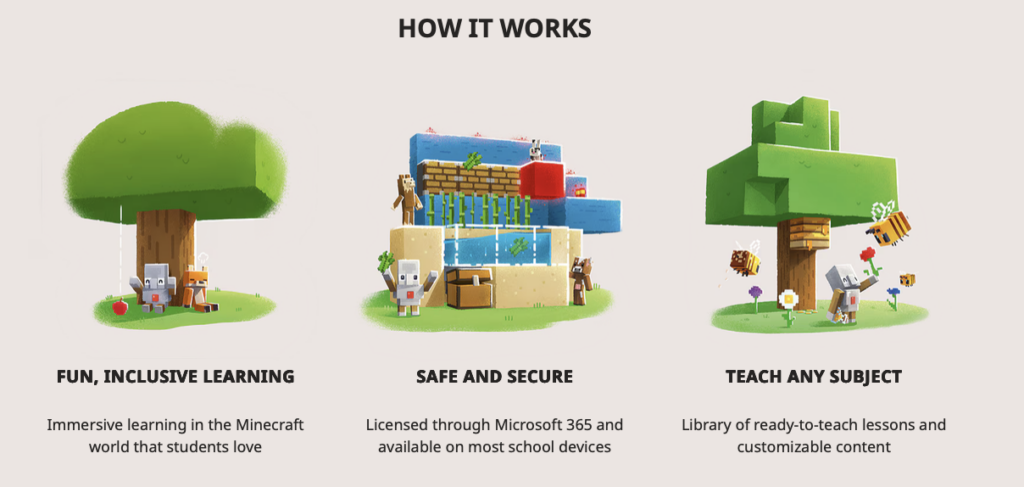
I personally found the class today on Gamification to be super interesting. I had never seen Minecraft schools before and I think the concept is pretty cool. I actually went and played one after class and it was pretty fun and educational. It could definitely be a fun activity during computer lab time or at home.

https://education.minecraft.net/en-us

Weekly Reflection #6: Ed Tech Integration

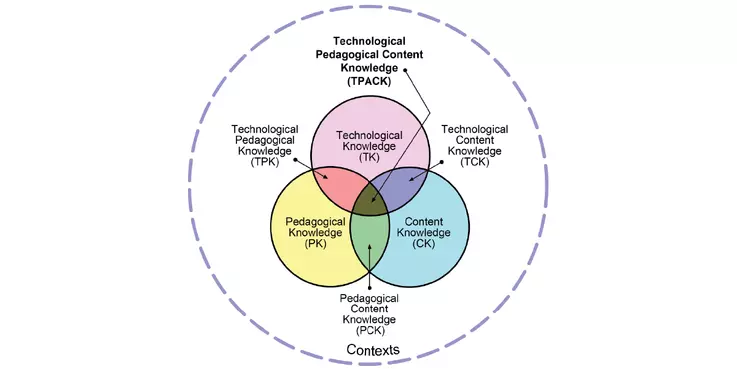
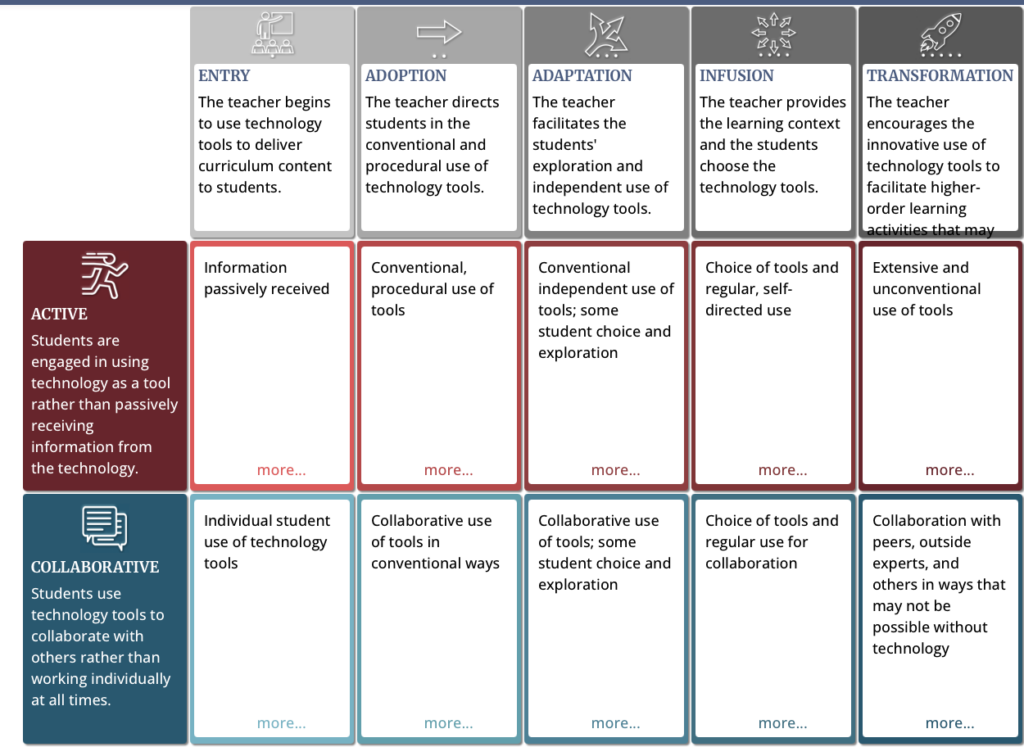
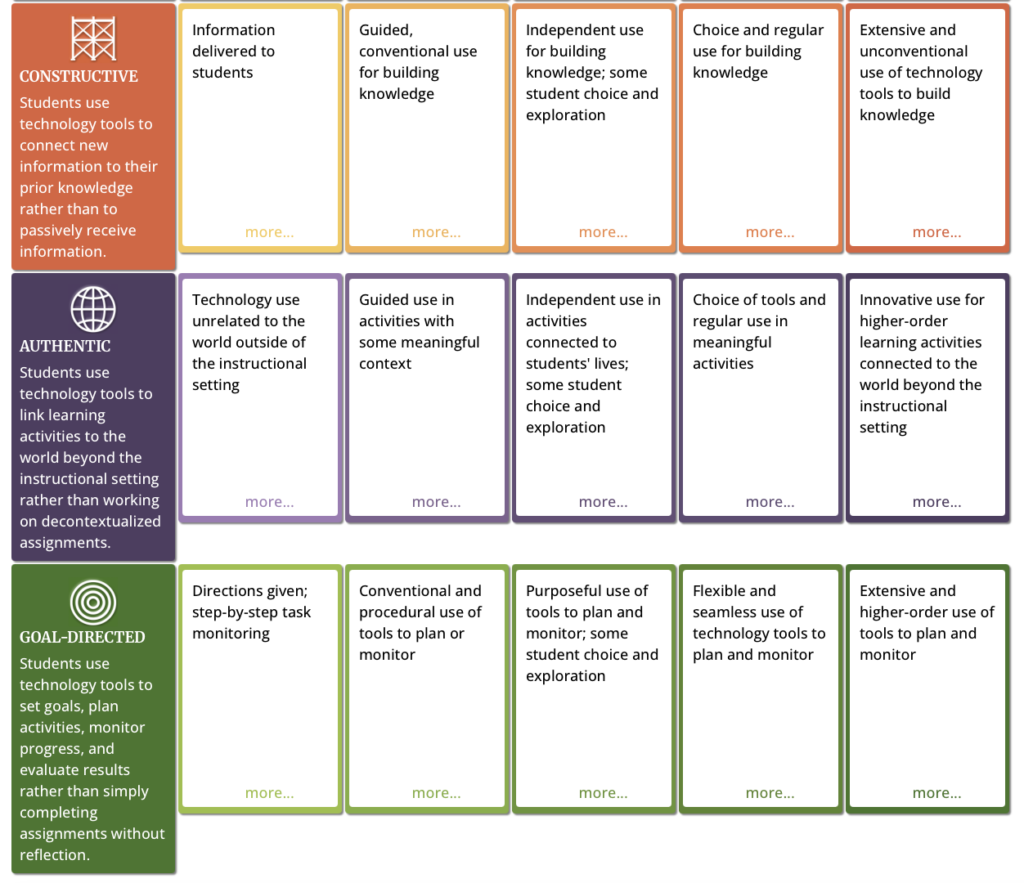
This week we learned a lot about Ed Tech Integration and frameworks/model that can help. The four main models we looked at are the COI, SAMR, TPACK, and TIM. COI stands for Community of Inquiry (https://www.thecommunityofinquiry.org/coi). The COI views learning as a collaborative process. It consists of 3 presences, cognitive presence, social presence, and teaching presence. SAMR stands for Substitution (Technology replaces a traditional tool), Augmentation (replacement tool has an improvement), Modification (technology allows for redesign), and Redefinition (technology allows people to complete tasks that were previously very difficult/impossible) (https://taylorinstitute.ucalgary.ca/resources/SAMR-TPACK). TPACK stands for Technological Pedagogical Content Knowledge (https://taylorinstitute.ucalgary.ca/resources/SAMR-TPACK).

This model consists of 3 main knowledge areas: content knowledge (knowledge on the subject), pedagogical knowledge (knowledge of teaching methods), and technological knowledge (knowledge of digital tools and technologies). Effective tech integration happens when all of these areas overlap, the teacher understands the content, knows how to teach it, and chooses the right tech. TIM stands for Technology Integration Matrix (https://fcit.usf.edu/matrix/matrix/). The TIM framework’s goal is to make sure technology use supports and enhances student learning. It does this following the 5 characteristics of meaningful learning environments and the 5 levels of technology integration.

I think I will find the TIM model the most useful and applicable. I also liked the simplicity of TPACK. Overall I think all of these frameworks were good to look at and either taught me something new or reinforced my prior knowledge on AI use.

Free Inquiry Post #4: Types of Flies

I was about to head out to the ponds and realized I was skipping a massive step in my approach. I hadn’t done any research to figure out what colour/size flies to use. for this I asked Chat GPT to give a list of recommendations based on my area and season. Here is the prompt I used: “create a list of appropriate fly fishing flies for trout in sooke bc, in february. I plan to fish kemp lake, porier lake, and peden lake.”, and here Is Chat GPT’s response:

Here’s a good list of fly patterns to try for trout in stillwater lakes around Sooke, British Columbia (Kemp Lake, Poirier Lake, Peden Lake) in February. Winter/early-season conditions in coastal southern BC mean trout are often less active, feeding deeper and on subsurface food sources, so focus on nymphs, small midges (chironomids), leech/buggy patterns, and balanced flies under an indicator. 

🐟 Proven Patterns for Stillwater Trout (Winter / Early Season)

🪱 • Chironomid / Midge Patterns

These small midges are a staple food source for trout in many BC lakes year-round — especially early in the season when other insects are scarce. Fish them under an indicator close to the bottom. 

  • Black-and-Red Chironomid (classic ice-off pattern)
  • Olive/Grey Chironomid Pupa patterns
  • Black Sally or Olive Chromie
  • Blob flies / Beadhead chironomids in dark colours

💡 Tip: Sizes around 14–18 work well on stillwaters; use darker colours in winter. 


🐛 • Leech & Balanced Nymph Patterns

These mimic leeches, damsels, and general small prey that trout feed on in cold water. Fish these under a strike indicator or slow strip. 

  • Balanced leech patterns (black, olive, brown)
  • Woolly Bugger (black or olive) — balanced or weighted
  • Woolly Worm (general-purpose nymph/bug pattern) 

🪲 • General Nymphs / Traditional Patterns

These imitate mayfly larvae, scuds, and other aquatic prey trout take near the bottom — useful when chironomids aren’t active. 

  • Gold Ribbed Hare’s Ear nymph
  • Prince or Prince-ish style nymph
  • Scud/shrimp imitations in olive or tan

🪶 • Streamer / Attractor Patterns (Slower Retrieve)

In colder months fish are sluggish but can react to larger profiles. Stripping slowly near deep weed edges or drop-offs can trigger strikes. 

  • Mickey Finn (broadbaitfish impression) 
  • Dark streamer patterns in black/olive/brown
  • Balanced leech streamers

☁️ • Dry Fly – Limited but Useful

In February hatches are rare, but if you see fish taking insects on the surface or if warm spells bring bugs up:

  • Elk Hair Caddis or small dries in darker colours (size 12–18) 

🎯 General Tips for Fly Fishing These Lakes in February

Change depths slowly. Early season trout often roam deeper; adjust your leader/dropper length until you find fish.

Go subsurface first. Trout are usually deep and feeding slower this time of year. Nymphs/chironomids work better than dries. 

Use an indicator. Especially with chironomids or balanced flies — let the pattern hang 1–4 feet above the bottom. 

Dark colours are key. Black, olive, brown or grey silhouettes stand out in low light, cold water. 

OpenAI. (2026, February 20). Proven Patterns for Stillwater Trout [Large language model]. ChatGPT. https://chatgpt.com/c/6998b85a-2084-8330-85d9-c3c7b42f9086

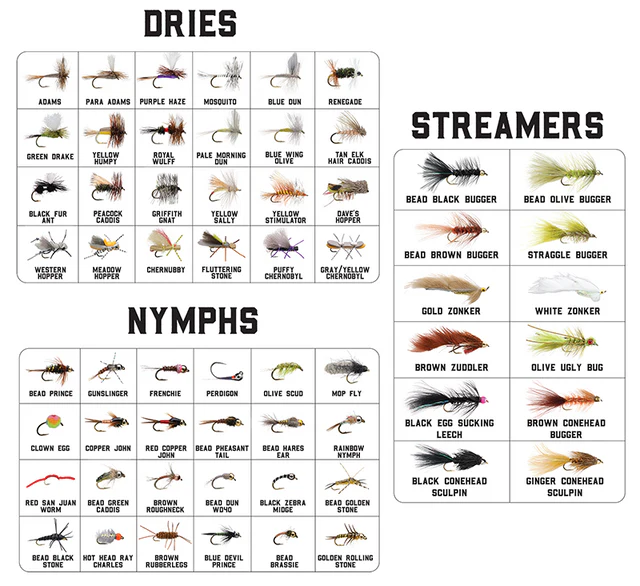
Right now I only have a few flies and they are fairly small so I will need to go buy some more or learn to tie my own flies! I think I will try to get some brown/black Nymphs and streamers as I’ve seen leeches in a few of the lakes I plan to fish. Here is a picture of a fly box that shows the different types of flies.

This box costs $165 American so I will definitely be finding cheaper options but it illustrates the differences in flies. https://smittysflybox.com/products/trout-box?srsltid=AfmBOooBMDHuMefFVGd5gKixry1AHnLbAKlOWCEgbMAwSKn2AiV3I4bo. I will be heading to Island Outfitters in Colwood today to check out some flies so I can get out and catch some fish.

Free Inquiry Blog Post #3: Potential spots to Fish

After getting my rod fully set up the next step in my inquiry is finding a spot to fish. There’s not big chum in the rivers at this point in the year so I’ll mainly be targeting trout in stocked lakes, and maybe some smaller rivers near Port Renfrew. The first spot Im planning on checking out is Kemp Lake. This lake is fairly quiet, and small but still a good size for fishing. It is also only 5 minutes from my house. https://maps.app.goo.gl/1dCqJq6JoQq9jEraA. It used to have a terrible dock but they put a new one in last year so it should be good as long as it isn’t busy. The next spot I plan on checking out is just down the road from Kemp Lake and is called Porier Lake. This lake is definitely a lot smaller than Kemp Lake but it has 2 fishing docks and Ive seen lots of eagles there so there has to be fish. https://maps.app.goo.gl/FvF6CDN3KtR5QFWS7. The next spot I want to check out is Peden Lake. This one is located up in the Sooke hills and the trailhead can be accessed from parking lot 2. https://www.alltrails.com/trail/canada/british-columbia/peden-lake-trail. I’ve hiked up to this lake before and there is definitely potential.

There is also other nearby lakes like Grass Lake, and Crabapple Lake I may check out when I’m up there. The next place I’d really like to go once I’m a bit better is the San Juan River https://www.google.com/maps/place/San+Juan+River/@48.5592633,-124.4286945,14z/data=!3m1!4b1!4m6!3m5!1s0x548ed0b52431cac1:0x6abac6a85673caf!8m2!3d48.5592373!4d-124.4080949!16s%2Fm%2F0fp_mm7?entry=ttu&g_ep=EgoyMDI2MDIxNy4wIKXMDSoASAFQAw%3D%3D.

« Older posts

© 2026 Stewy Blogs

Theme by Anders NorenUp ↑